Stannis Baratheon
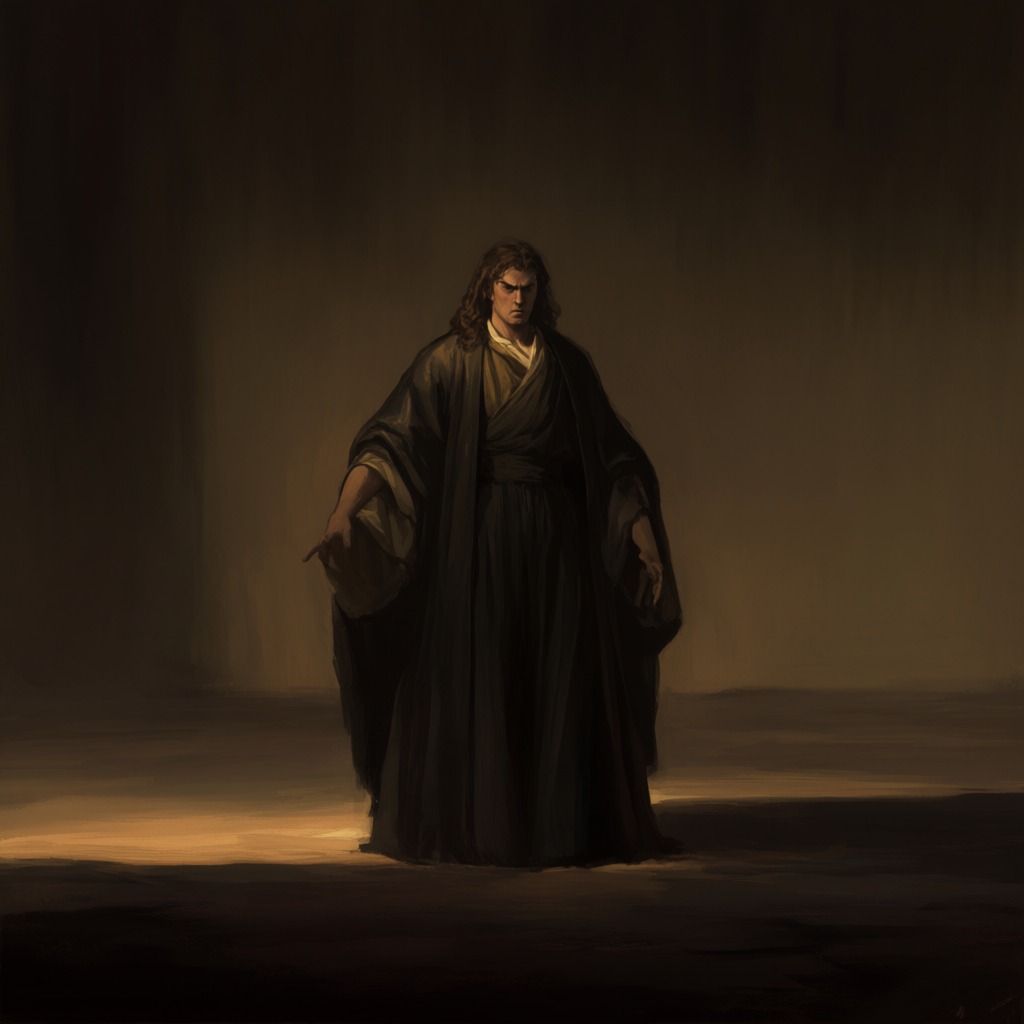
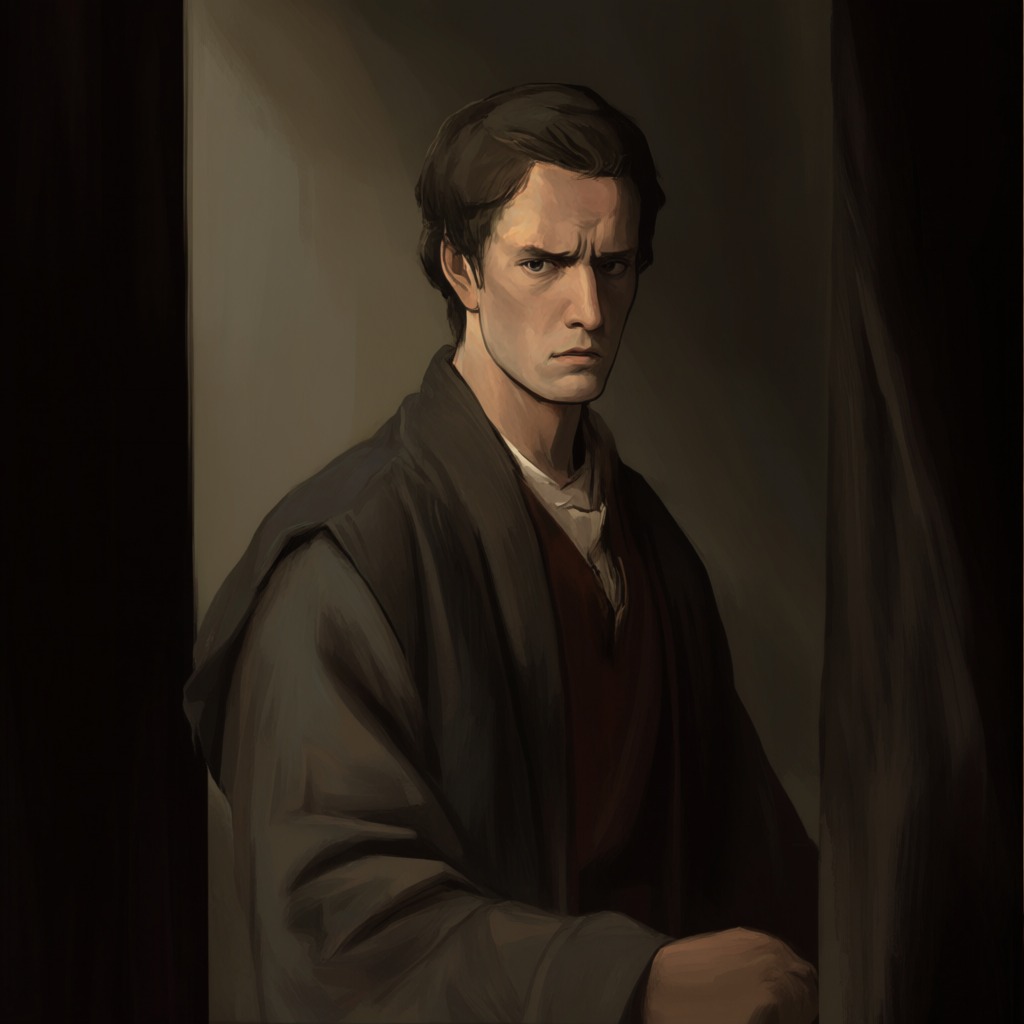
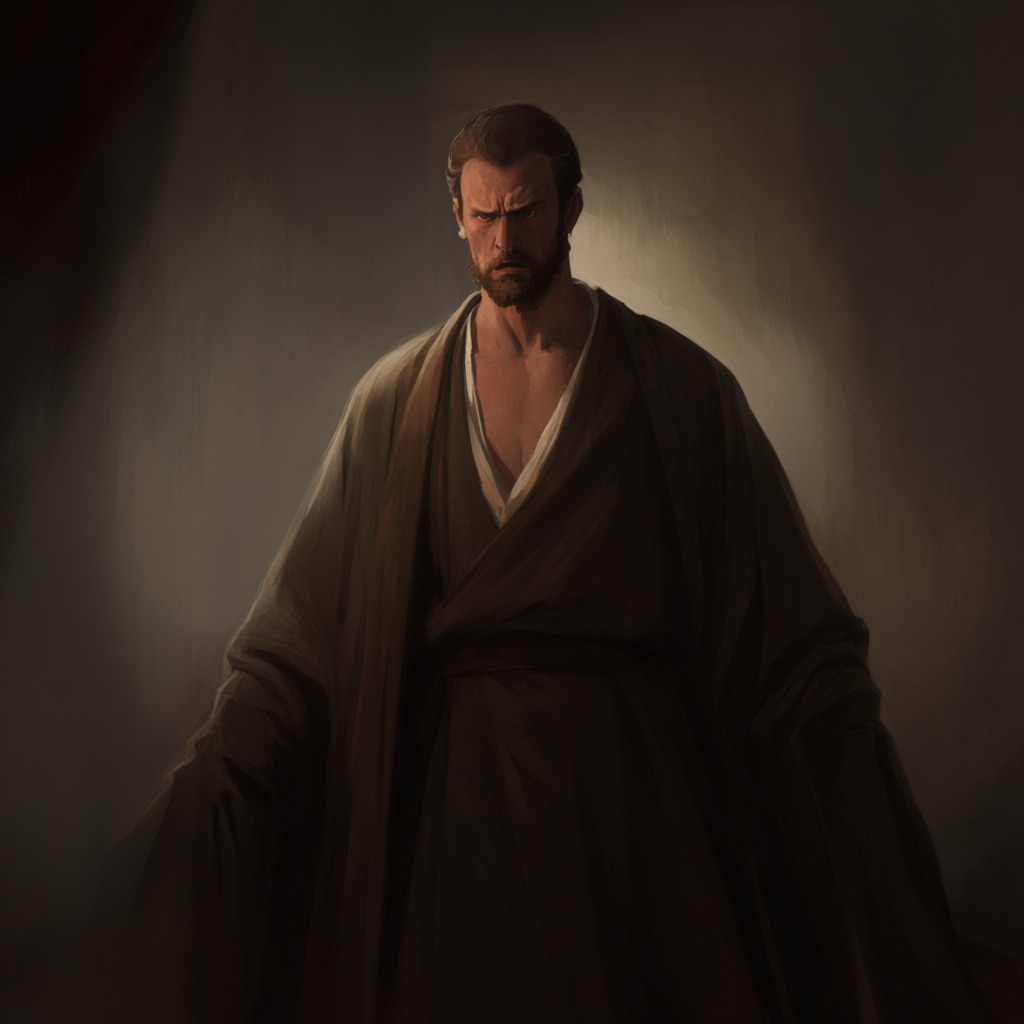
Stannis Baratheon, the second son of Lord Steffon Baratheon, is a man defined by a rigid, unyielding sense of justice and a bitter grievance over the throne he believes is rightfully his. After his catastrophic defeat at the Battle of the Blackwater, he brings his diminished host to the Wall, where he intervenes in the wildling assault, capturing Mance Rayder and saving the Night's Watch. This act, however, is not one of pure altruism; it is a strategic gambit to win the North to his cause, a cause he pursues with a grim, humorless determination that alienates as many as it inspires.
The King at the Wall
At Castle Black, Stannis is a prickly and demanding guest. He insists on the execution of Mance Rayder for desertion, rejecting Jon Snow's pleas to use the wildling king as an ally against the Others. "The law is plain; a deserter's life is forfeit," he declares, revealing a legalism that borders on inflexibility. He pressures Jon to legitimize him as Lord of Winterfell, a title Jon refuses, and demands the cession of the Wall's abandoned castles to his southron knights. Their relationship is a constant negotiation of power, with Stannis threatening, "You are only lord commander by my sufferance. You would do well to remember that." Despite this, he respects Jon's stubbornness, and a grudging, functional alliance forms. He also leaves his wife, Queen Selyse, and his daughter, Shireen, at the Wall under the protection of the red priestess Melisandre, whose influence over him is a source of deep unease for the black brothers.
The March on Winterfell
Stannis's campaign to conquer the North is a study in grim determination against overwhelming odds. He takes Deepwood Motte from the ironborn, winning the allegiance of the mountain clans, but his march on Winterfell is a nightmare of starvation and blizzard. The army is reduced to eating its own horses, and the queen's men demand a sacrifice to R'hllor to end the storm. Stannis refuses, stating, "I will have no burnings. Pray harder." This decision, born of a cold pragmatism rather than mercy, shows his resistance to the red god's more extreme demands, even as he relies on Melisandre's prophecies. The march becomes a slow, agonizing crawl, with men freezing to death and deserting, yet Stannis presses on, driven by the belief that he is the realm's only hope and the chosen of a fiery god he does not fully trust.
The King's Character and Conflict
Stannis is a man of iron, but also of deep contradictions. He is a just man, as Jon Snow notes, but his justice is harsh and unforgiving, as seen in his treatment of Mance Rayder and his own brother's memory. He is a capable commander, having held Storm's End during Robert's Rebellion and smashed the Iron Fleet at Fair Isle, yet his strategic caution is often mistaken for weakness. He is surrounded by ambitious knights like Justin Massey and Richard Horpe, who vie for his favor and the promise of Winterfell, but he trusts no one fully, least of all the red woman whose fires he stares into for guidance. His claim to the throne is his obsession, but his inability to inspire love or loyalty, unlike his brother Robert, is his greatest political weakness. He is a tragic figure, a man who believes in duty and law in a world that rewards charm and treachery, and his campaign in the snows of the North is a testament to his unyielding, and ultimately doomed, sense of purpose.